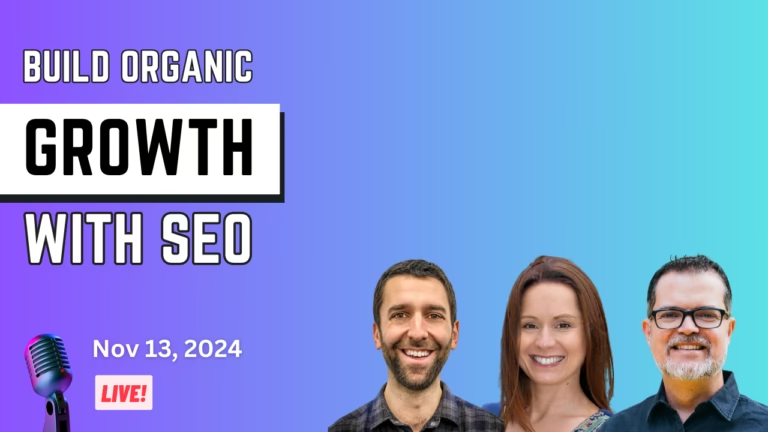

Discover the threats and opportunities of building a successful WooCommerce extension business. Learn how to navigate challenges and leverage potential growth, with expert insights and strategies from industry leaders. Tune in now!
[00:00:00] Matt Cromwell: Hey everyone. Welcome, welcome. This is WP Product Talk. We're here again and I'm not sick this time. That's good. Um, thanks again, Katie for, um, making it Happen. Last week. I listened in, I was a listener, uh, later. It went really well. Um, did you
[00:01:00] Katie Keith: hear the beginning, which was only on your YouTube channel, not the right one.
[00:01:05] Matt Cromwell: That's probably my fault. Probably my fault. Um, I don't think I did actually. I think you had like some sort of like skip to this part and I just did what you said. So, um, um, well everyone, uh, this, like I said, this is WP product talk. Every Wednesday we talk about things relevant to WordPress product owners.
[00:01:24] Um, the. Fun and the joys and the pains and the failures and, um, uh, hopefully all the good advice, hopefully. Um, and every week it's a different topic and every week it's a different guest. Um, so, um, I'll do some quick rounds of introductions. My name's Matt Cromwell. I am one of the co-founders of GiveWP the number one donation plugin in WordPress.
[00:01:47] Um, as I like to say, so proudly, um. And, um, been in the product business for about eight years and, um, and now I'm doing things at StellarWP helping out with Cadence and iconic. We'll talk about iconic a bit today, um, and, uh, uh, GiveWP and I themes. Um, Katie, what about you?
[00:02:09] Katie Keith: I am, uh, Katie Keith, co-founder and CEO at Barn2 Plugins.
[00:02:15] Um, while we are not exclusively a eCom, a WooCommerce company, we are mostly WooCommerce, so we'll talk about that in a minute. Uh, we've been selling plugins since 2016, having been a web design agency before that, and I like learning more about building a WordPress product business and helping other people to do the same.
[00:02:35] Matt Cromwell: Excellent. And this week we have our special guest, Maarten Bemans, uh, from Wombat Studio. Maarten, introduce yourself, tell the world all about what you do.
[00:02:47] Maarten Belmans: I am Maarten and I'm the founder of, uh, studio Wombat, uh, where I create WooCommerce plugins. Since late 2017, uh, I have about six main plugins and then six other add-ons.
[00:03:01] So the offering is growing. Um, and I also try to build in public. So I will sometimes tweet about failures and wins of building, uh, WooCommerce business. Uh. Through Twitter and a little fun fact, this is actually my first podcast ever. So please be gentle.
[00:03:20] Matt Cromwell: Yes. Excellent. That's great. Um, your first podcast when we actually made you, um, do video, so blank blank, Katie?
[00:03:29] Yeah, yeah, yeah.
[00:03:29] Maarten Belmans: I, I remember that at the start it was only audio, which, which I thought was a good idea, but I guess the majority voted for video.
[00:03:38] Matt Cromwell: Yeah.
[00:03:38] Katie Keith: Yeah. I made him do a poll. Yeah.
[00:03:41] Matt Cromwell: It's, uh, you know, the world is changing. People like to see faces. It's a good, I, it's a good thing. It just takes a little bit more effort.
[00:03:48] So, um, cool. Well, uh, everyone, if you have questions or comments at all, uh, we're listening and we will highlight them along the way. Um. So you can use whatever chat tool you happen to be seeing, uh, the show on right now, whether it's YouTube or Facebook or Twitter, even. Um, if you're on Twitter, use the hashtag, uh, WP Product talk and we'll be paying attention over there, which reminds me, I gotta bring that up.
[00:04:13] Um, and let's jump into it. First thing we always like to talk about is why is this an important subject? Um, Katie, why don't you introduce the subject for us, um, because I think I skipped ahead a little bit. Um, what are we talking about today?
[00:04:27] Katie Keith: So we're talking about threats and opportunities of building a WooCommerce extension business specifically.
[00:04:35] Yeah, so I think this is a really important topic because uh, WooCommerce is the biggest e-commerce platform in the world, not just WordPress, just generally by a long way, if you look at the stats, and that brings huge opportunities for building a successful business on top of WooCommerce. But there are also risks and threats.
[00:04:54] Such as the rise of, uh, rival platforms such as Shopify, outside of WordPress itself, and also the fact that by building a WooCommerce platform, and we'll talk about this in a minute, um, you are dependent on WooCommerce as well as WordPress. So some people find that doubly risky.
[00:05:14] Matt Cromwell: Absolutely. Yeah. I mean, as a subject, I do think that, um, it's a little bit meta because, um, at the same time that I keep saying myself that I, I get nervous about the idea of being so dependent on a product like WooCommerce.
[00:05:29] It's like, well, we're all really dependent on, uh, WordPress, uh, itself. So, um, it, it gets to be like dependencies upon dependence. Um, um, but I think it's, uh, like you said, I think it's really super important just, um, simply because it's a big opportunity. Um, I think there's a lot of room still for innovation in the WooCommerce space.
[00:05:51] Um, I do also see that payments, um, on the internet. Are just bigger and bigger and bigger and more important. Um, that's been on the rise of course for, uh, quite a while, but, um, uh, it's getting so much more accessible and easy, especially with, uh, really excellent gateways like Stripe. Um, so, um, I do see, um, lots of opportunity for business owners, uh, to continue to, to, to innovate in that space.
[00:06:19] Um, I think there's also huge opportunity to innovate. Um, in e-commerce outside of WooCommerce, but still on WordPress. Um, but that's almost another subject, um, that we can talk about some other time. Um, my, my personal experience with, um, like, uh, business stuff on Woo, uh, WooCommerce, we did have, um, uh, not a lot of folks know this.
[00:06:43] We did have a WooCommerce extension, uh, at, uh, with. Uh, I don't wanna go too deep into into history, but like before we were at Stellar, we, our company was impressed.org and, uh, impressed.org give was just our leading, uh, product. Uh, we had several. Um, and, uh, one of 'em was called Quick Checkout, um, which was, uh, a way that you could put the WooCommerce checkout on any page of your site that you wanted, um, or just click a buy now button.
[00:07:10] And a product would be pre-populated in the checkout on that page, or in a modal or a little dropdown. Um, lots of different ways, um, as Give, got more and more popular, um, and successful. We sold it, um, to amplify plugins, another WooCommerce extension shop, um, that you all probably know better than I do at this stage.
[00:07:31] Um, but, um. Um, and now at Seller WP I get to work with Iconic wp, which is a WooCommerce extension store. Uh, James Kemp. I tried to bribe him to be here, but, um, he, uh, had family obligations, which is a really important one, so I couldn't argue with him there. Um, so yeah, that's where I'm at. Maarten, I'd love to hear why you decided to do WooCommerce extension specifically, and why you think it's so important for other people to know about.
[00:07:59] Maarten Belmans: Um, well, as. As you both said, it's a very big, uh, part of WordPress. It's currently, you know, the, the, there's no plugin that has more active installs than WooCommerce. I think it's currently at 5 million and more. So it is already a very big niche within the WordPress niche. So that in itself is a very good opportunity, uh, to get started.
[00:08:21] Um, and I also find that, um. Quite frankly, there's a lot of money to be made when you're selling, uh, e-commerce plugins because I find that store owners are, um, maybe not as reluctant as other people to pay for quality software because they realize that you, uh, need to spend some money to make some money.
[00:08:44] So I think there's a, yeah, a big part of the pie there that you can share with multiple people. And, um. The, there's also an upside to WooCommerce having their own marketplace. I don't necessarily agree with their terms of service, so for me personally, I'm not on the marketplace. But if you're a developer like me and you don't, uh, like marketing or you don't want to get into marketing right away, then at least the option is there.
[00:09:12] To sell your work through their marketplace as well. So you get an extra channel of, of, of marketing actually by, by doing very minimal work. So I think those are like three good, uh, opportunities. Why you would go into WooCommerce. Uh, but at the same time, there are a lot of Yeah. Threats too. Um, like I do feel that other platforms feel a bit more mature.
[00:09:37] Maybe it is because, uh, WooCommerce is open source and the process to release, uh, fixes or release new features is different than, um. Then software such as Shopify. But I do feel that Shopify, uh, is quite mature and they're releasing, uh, new features faster. And maybe that's why they are, uh, taking a slice of WooCommerce's growth.
[00:10:02] Um. And at the other, at the other time, the market, uh, the market for WooCommerce is very saturated as it is for, you know, everything in WordPress. So you do have to look over your shoulder at what your competitors are doing. Mm-hmm. Um, and that can be quite stressful. Mm-hmm. Um, yeah.
[00:10:22] Matt Cromwell: Yeah, and you could find that WooCommerce itself is one of your competitors.
[00:10:26] Um, which exactly is like an opportunity and threat to the marketplace itself. Um, that, uh, it's great that as a tool, um, for, for new sales. But then you might find out one day that WooCommerce decided to launch its own version of your own product in one form or another. Yeah. Yeah, yeah. Which I think based, I always worried
[00:10:46] Katie Keith: about that.
[00:10:47] And surprisingly it hasn't happened yet. Um, I suppose they're not really adding new features that are in the sorts of areas that our plugin is focused on, but that is always 'cause if, if they put something in core, then you feel like, oh no, that's it for my plugin. But then look at the page builder market.
[00:11:04] Mm-hmm. Uh, Gutenberg hasn't just killed all the page builders. Often they're more users. Friendly, more feature, rich, whatever, and while it's created challenges, they're still around.
[00:11:16] Matt Cromwell: Mm-hmm. Absolutely. I mean, even payment gateways, like WooCommerce has a lot, has Stripe and PayPal and a bunch of other payment gateways, but there are other versions of those exact payment gateways that are on the wordpress.org repo or for sale in other places.
[00:11:31] And um, they still have lots of active installs. So, um, I think
[00:11:36] Maarten Belmans: the, the advantage that plugin developers have over WooCommerce is that we are only focused on those type of plugins, whereas the, the team within WooCommerce is maybe spread to 10 over different areas. Mm-hmm. And so they generally don't release as many updates as I would for do, for example, for my plugins.
[00:11:54] Mm-hmm. So I think people notice that we are faster in releasing new features and that helps in selling our plugins.
[00:12:01] Matt Cromwell: Yeah, I've always been surprised, um, with, um, I at Iconic, one of the, uh, prominent, uh, products is Flux checkout. Um, I've really been surprised to see that WooCommerce hasn't really tackled the checkout more directly.
[00:12:16] Um, uh, I don't see a lot of innovation or improvement of the core checkout really happening all that much. Um, and I don't see them really doing all that much in terms of like. Uh, a checkout extension, uh, although there are several other prominent checkout, um, options out there as well. Um, but that's one where I think like that's, that's an area where you would think WooCommerce would've a strong vested interest in.
[00:12:41] Um. It, you know, pushing their checkout, um, as, as a big, um, big benefit. So
[00:12:48] Maarten Belmans: is there, I think they're making some progress on the checkout block where they're trying to change things up a little bit. Mm-hmm. But I don't know if it ever compares to what you would do in a plugin. Yeah.
[00:12:59] Katie Keith: Yeah. And that's one of the unique selling points of Shopify as a platform.
[00:13:02] It has a very optimized checkout, and that's one thing that makes Flux Checkout, uh, so popular within WooCommerce because it's bringing that two column, optimized Shopify experience, uh, to WooCommerce. Uh, but I almost feel that the people behind WooCommerce. Feeling. It's almost like that's plugin territory.
[00:13:22] I know that's Matt Mwe sort of catchphrase. Mm-hmm. Anyway, of course. Uh, it's like the product pages, the shop page layout, all of that. They keep really quite basic and then they just feel, well, that's plugin territory if you want to optimize it.
[00:13:37] Matt Cromwell: Yeah, we actually have a really good question here, uh, from a viewer.
[00:13:41] Um, how do you validate ideas in Woo. So maybe, uh, don't wanna jump too quickly into story time, but maybe like a little mini story time. Like how, like what is one of your more popular products, um, and like how did you validate that it was a good product idea, um, for WooCommerce?
[00:14:02] Katie Keith: Um, uh, yeah, you go, go ahead Katie.
[00:14:04] Okay. You sure? Uh,
[00:14:05] Maarten,
[00:14:08] I'll go first. Yeah.
[00:14:09] Maarten Belmans: Um, so for my first ever WooCommerce plugin, I actually, um, looked on the Facebook groups 'cause there are a lot of shop owners there who are very frustrated with how things are working or, you know, what isn't there. And they will share that with the community.
[00:14:25] And so I found the first idea actually through Facebook.
[00:14:29] Matt Cromwell: Nice. That's a good
[00:14:30] Maarten Belmans: one.
[00:14:32] Matt Cromwell: Katie, what about you? Um,
[00:14:33] Katie Keith: we got our first idea from what was then the WooCommerce Ideas Forum. Um, we just found the one with the most votes, uh, that wasn't likely to be made part of Core, which was WooCommerce password protected categories that didn't require huge development time because it was our first plugin and all that.
[00:14:54] And it's still doing really well. Um. Like seven years later, it's amazing and that's how we found it. But now we're in there, we get ideas from our users and because we have a huge number of people telling us what their pain points are. So it, once you are in the WooCommerce plugin space, it does become easier to validate your ideas because people, you know firsthand what people are asking for.
[00:15:17] Matt Cromwell: Yeah, absolutely. Um, I'll say with quick checkout, um, that we had a long time ago, um, that was actually born out of, um, experiences of building, um, client sites. Um, and honestly, in many ways, um, it was a precursor to give because, um, Devin in particular, he was building websites for, uh, nonprofit organizations and they wanted a way to have a donation.
[00:15:44] Uh, form that skipped the cart, uh, completely and just had the checkout right there on the page. Um, and, uh, every time you wanted to build a, a donation system with WooCommerce, you had to like, make it say donations instead of products and donors instead of customers. And it just got really, really hacky.
[00:16:05] Um, uh, but quick checkout was, uh, intended to be like, here's a WooCommerce checkout, which is solid. Easy to work with. Um, but it's right there on the page. Um, rather than going through that whole weird checkout experience, uh, cart, uh, experience. So, um, being able to hear from clients directly and what they wanted, I think was a, a big benefit there.
[00:16:27] So, um, that's a good question. Uh, keep the questions coming folks. Um, we love answering them live, so, um, and I'm watching that hashtag too. Um. Let's jump a little bit into, uh, story time now, um, which I would just really love to hear a little bit about the, um, uh, well, you could go either way. I mean, if it's pitfalls or if it's like concerns, um, or, um, if it, if it's, uh, uh, why you've validated that.
[00:16:58] It's been great to do, um, WooCommerce extensions. Either way. Anxious to hear what you both have to say about that. How about we kick off with Katie first?
[00:17:07] Katie Keith: Um, okay, so I'll talk about our journey to selling WooCommerce extensions. When we started in 2016, we weren't very confident. We didn't know anybody would ever buy any of our plugins, and really it was an ex.
[00:17:21] Experiment because we aspired to the product business model rather than services like many people do. So that's why we launched really small niche plugins like WooCommerce, protected categories and things like that. Um, so we would always look for little gaps and because we were already in there, like I said, we could find the gaps.
[00:17:42] Uh, for example, after. First really successful plugin was WooCommerce product Table, and we came up with that because we had a generic WordPress table plugin, which was an idea from a client actually, that we, A client, paid us to list their blog posts in a table. We continued building it and released. It to list any custom post types and tons of people started asking for WooCommerce features like add to cart buttons and variations and all that.
[00:18:09] And that has been our, our biggest plugin. And um, in the seven years it's done something ridiculous, like one and a half million dollars or something. And that came from a client wanting to list blog posts in the table. So you just need to keep your ears open and go with the journey really. Uh, but then when we launched those early plugins, they were the only ones on the market and we loved that because there was no competition.
[00:18:32] Mm-hmm. And people say WooCommerce is saturated, which is true with in many ways, but if you are in there and you look, there is actually loads of gaps still, and you can build. Products that don't even exist. For example, a year or so ago, we built a discontinued products plugin, which there wasn't anything that allows you to change the stock status to discontinued, which is different to outta stock.
[00:18:56] It has unique needs and we've got lots of little plugins like that, that there isn't anything that does, we're building one at the moment, which will add, um, check. Boxes and variation dropdowns to the shop page. Uh, I, I don't think there's anything that does that. And people don't wanna have to visit a separate page for each product.
[00:19:15] They just wanna choose their options on the shop page. So we are still doing the odd little plugin, but as we've got more confident and more successful, we've grown in, um, our confidence and we're starting to release. Um, more competitive extensions, for example, and more challenging technically as well, like the filter plugin that we released last year, because while there are filter plugins, we identified that none of them were as good as we would like and our customers were telling us.
[00:19:44] This and, and our next few plugins as well are more kind of competitive and they're not unique. They're unique in their sort of quality and feature set, but they're not unique in concept, and we've only really got to that stage recently as we became more confident.
[00:20:01] Matt Cromwell: Yeah. I really love that because, um, there's just so much, there's so much innovation still available in WordPress in general, and then WooCommerce specifically.
[00:20:10] But the way in which you describe how, like, there's so many different needs and niche needs still that, that are unmet, um, is, is, is a really good reminder to folks. Um, because I sometimes I think the, the idea of. W WordPress or WooCommerce being saturated is really just kind of like historical experience.
[00:20:30] Like I, I, I mean, I know for me personally, like if I think back five, six years ago, um, and, and think about like, um, the SEO space, like it really was like, it's pretty much Yost. There was also all in one SEO as well, but it's pretty much Yost now. There are quite a few more options. Does that mean that SEO is saturated.
[00:20:49] Not at all, not even close, like compared to like the tens of millions of WordPress sites all over the world, they're still only just getting, um, the surface of, of how many, how much, uh, opportunity is available there. So I love that. That's a great story. Um, Maarten, what about you?
[00:21:08] Maarten Belmans: Yeah, my story shares, uh, some similarities to Katie's.
[00:21:13] Um, I, for me, it started as a side project and I was also very unsure if it would ever amount to anything. Um, and I started. As I said earlier, looking on Facebook and I saw people posting a link to a Shopify app and they were asking like, does this exist on WooCommerce? I cannot find anything. And I jumped on that and within three weeks I had, uh, a very similar plugin for WooCommerce.
[00:21:40] And to my surprise, people were buying it the same day because there was such a need and the gap wasn't filled. So it really did help me a lot just to find that. One gap and then you have an in into, into WooCommerce and you start building a client base that you can actually ask for feedback or for feature ideas.
[00:22:00] And as Katie said earlier, once you have that base, it's a bit easier to find your next idea.
[00:22:07] Hmm. So
[00:22:08] similar to Katie, I'm also now. Not necessarily looking for the gaps, but just looking at existing plugins and seeing where they maybe lack features or you know, how I can do it better. Because I do find that a lot of plugins in WooCommerce, they drag legacy with them because they're.
[00:22:29] Sometimes quite old, you know, and they still have code from WooCommerce before version 3.0. Mm-hmm. So they drag all of that with them and they cannot easily change it. Like a SA software could just launch version two. It's, I think it's harder to do that for a plugin. So you immediately have an advantage if you start from zero, that you could just work with a newer code base at, which would in, in turn be faster.
[00:22:53] So you have a, a bit of an edge there.
[00:22:55] Matt Cromwell: Yeah. So
[00:22:55] Maarten Belmans: that's what I'm, I'm now looking into. And that worked for my, uh, for my products Add-Ons plugin, which is in direct competition with, uh, the WooCommerce product add-ons plugin. Mm-hmm. But I just, I'm adding more features. I'm paying a lot of attention to performance and somehow customers notice, customers can see it through demos, through, through what I do.
[00:23:19] Um, and so that really helps me get to the next level basically. Um. So I, that's like a similar storyline of, of how Katie, uh, started Barn2. Um, and then eventually it grew from side project into, into full-time, uh, job. Yeah. Know customer. You know, one thing
[00:23:40] Katie Keith: I've always been impressed about with you, Maarten, is how co you launched such a big plugin as product add-on so early in your plugin career.
[00:23:50] Mm-hmm. Um, whereas we took years to have that confidence to compete with such a big successful extension on the official marketplace. Um, and so, and it is really good how you, you know, built your marketing and so on to get. Noticed given that there was a big competitor.
[00:24:08] Maarten Belmans: Thank you. Yeah, I think there are two main reasons why I did that.
[00:24:13] One was that it, it's like this is a really good way to get into WooCommerce. 'cause it touches so many aspects of the whole WooCommerce code base that you learn a lot. And the second is that I didn't have a lot to lose because I, like my name was still being built and obviously I wanna do it the right way, but.
[00:24:30] I wasn't, or I am still not really a very known name within WooCommerce. So. I think maybe it's, it's, it's a bit more forgiven for me to make mistakes just because that name is not there yet. So that like, just these two aspects prompted me to just go for it and, and, and obviously yeah. Take into account quality and, and I did it the right way, I think.
[00:24:53] But yeah, it was, it was a difficult jump to make because it was definitely a very hard plugin to, to start with. Mm-hmm. Um. Yeah,
[00:25:03] Matt Cromwell: I really like what you were saying earlier about, um, and we talked a little bit before the show too, um, about how the, the folks really seem to be comparing your product, uh, product add-ons against other options, and you're not certain why you're getting more.
[00:25:20] Adoption on wordpress.org than the other plugins are. Um, except that maybe just that customers are smart and they pay attention to the details. Like, I actually really like that point because, um, I think sometimes we take it for granted, like, especially from a marketing perspective, we're like, well, we gotta tell people exactly what this thing does in seven different ways or else they're not gonna understand.
[00:25:43] And it's like, no, they totally get it. They actually really get it that people are paying attention and when they see quality in a product that makes all the difference in the world. I think so. Yeah.
[00:25:54] Maarten Belmans: I agree. I was, I was surprised, but I had the same, uh, yeah, I made the same conclusion that people do really see quality, even though that it's hard for them to judge because they're probably not developers.
[00:26:05] But you're absolutely right. They do see somehow what the quality is. And I think a big part of that is also marketing and making sure that your site is, you know, is, is marketed well and looks nice and you have documentation
[00:26:20] Matt Cromwell: and
[00:26:20] Maarten Belmans: you know everything that goes around it
[00:26:22] Matt Cromwell: for sure. But it also is a benefit of product add-ons is.
[00:26:26] Uh, free on the, it's a freemium product, um, that they can install it for free. They could try it out. Um, they can try out five different product, add-on, uh, plugins all at the same time if they want it. I mean, probably not a good idea, but they could. Um, and, um, and uh, and see where it goes from there, you know, and they probably like try them out, um, and then turn off the other ones and kept yours, you know?
[00:26:49] Um, so that's a good benefit too. Yeah, definitely. I wanna throw in a surprise section. Dun. I wanna focus a little bit on the threats, um, and the pitfalls of the WooCommerce marketplace. Um, so we talked about this a little bit on our show notes. Uh, we all have different, uh, well we have. I think all similar concerns about, um, the terms and services there and things like that.
[00:27:15] But, um, I'd love to hear a little bit more detail from both of you in terms of like, um, you know, is WooCommerce sometimes your biggest competitor? Um, is the marketplace itself sometimes a little bit problematic? Um, like where, where is this, um, a concern for you all?
[00:27:37] Who
[00:27:37] Maarten Belmans: wants to
[00:27:37] Matt Cromwell: start? Let's start with Maarten. We'll go back the other way around. How about Maarten? Okay.
[00:27:42] Maarten Belmans: Um, so the WooCommerce marketplace is not necessarily a concern because as I said earlier, I like WooCommerce releases features quite slowly. So there's a, there's a very good opportunity for other plugin developers to do it a different way.
[00:27:59] Um. Again, people notice, people see these, these things. Um, and recently, uh, they also added an active install count to their, uh, to their plugins on the WooCommerce marketplace. And that wasn't there before. And now you can actually see how many its stalls a plugin has. And to my surprise, it was lower than I expected.
[00:28:21] There are like. Obviously a few plugins that are very popular, like WooCommerce subscriptions, and they have a fairly large install base, but there are a lot of plugins that have a very low install base. So to me, that suggests that the marketplace is not necessarily deep place for store owners to get their plugins and, and they notice.
[00:28:42] Um, and, and as I said earlier, I don't agree with their terms of service. Because I looked into adding plugins onto the marketplace. But then if you read their terms of service, which has been a while ago, so I'm not a hundred percent sure, but it does feel a bit like they take hostage of your code. 'cause they can actually make the decision to keep the plugin if you decide that you wanna take it off and and sell it on your own.
[00:29:07] For example, they can decide to keep the code because it's theirs. So then, yeah, that feels like a very bad business decision. Um. Yeah. And then I decided, yeah, that's, that's not for me, at least not at this point. I do think they're trying hard to, uh, put the marketplace front and center. Um, you know, they did a few things in the core plugin to make the marketplace more visible.
[00:29:31] I think the marketplace has changed over the years too. So I'm very curious what will happen in the next years. And maybe then it's time to revisit, but for now, I, I don't want to, uh, include my plugins on the marketplace.
[00:29:45] Matt Cromwell: Yeah. I do want to caveat, I meant to read up on it a little bit. Um, I think it came up in, in conversation last week too, actually.
[00:29:54] Um, um, I wish I was an expert on the WooCommerce marketplace terms, um, and, um, uh, and have, 'cause I know also that they have changed a bit over the last year or so. Like relatively recently they've been doing some new outreach, um, that we've noticed. Um, so, um. Big caveat, big asterisk. If you are, uh, somebody who knows exactly what the current WooCommerce marketplace terms are, then feel free to correct us on our, on our assumptions here.
[00:30:20] Um, but um, yeah. Katie, what about you? What's your concerns about the marketplace? Um, uh, how much of a threat is it? Or maybe there's some other big threat to your business that we aren't even talking about. Um.
[00:30:33] Katie Keith: Yeah, since the marketplace opened up again because it was closed for years, um, to new products, and then it opened up maybe two years ago, um, there have been a lot of copycat plugins put on it.
[00:30:46] They seem to be not really quality checking them. I know they have their code standards, but in terms of how the plugin actually looks, the quality of the sales page, documentation, the quality often seems. To be very low. And it is surprisingly similar to some of our plugins. Um, it does seem people are just copying our plugins and putting them on the marketplace with some tweaks to make them look worse, in my opinion.
[00:31:11] Um, but there's a lot of similarities. And that is a worry because, just because of the authority of the marketplace, some people are searching within there. And as you'll have seen the mark, uh, automatic generally are doing some questionable things with regards to published promoting their products within the admin, not just, um, for WooCommerce, but WordPress generally, like you'll see jet pack.
[00:31:35] Being way higher than it otherwise would, and there's lots of controversy around that. So they have the power to do that with WooCommerce as well. So I do see that as a threat. Uh, but it's interesting, uh, what Maarten said about when you look at the stats, they're generally quite low. And I've seen the same thing.
[00:31:53] And that's similar to something that Alex Denning was saying last week on, um, last week's episode about winner takes all in marketplaces. And when you analyze things like theme forest as well and the invato marketplaces, the, there is some very popular ones, but the typical one on a marketplace isn't actually doing that well.
[00:32:11] Yeah. Whereas maybe five years ago the stats were very different and I did look at them then as well, and they were. The average was very successful. So something has changed there. And yeah, I'm tempted to put a product on the marketplace, or at least that was in our business growth plan last year. And then we found out about the terms, which Maarten has referred to, that if you choose to stop selling with them, they can keep your plugin.
[00:32:37] But which is far, its GPL. They can steal it anyway. I get that. But they can keep your name and prevent you from using the name of your own plugin, uh, when you sell it direct in the future. So that really is holding it hostage. And I did discuss this with their outreach person at the. Time, and this was last year.
[00:32:56] So again, if it's changed, someone tell me, but I feel that I would've heard and they would've reached out if it had changed. And when I challenged them on this, they said, yeah, we've never done it. But we like to have that option. You know, it covers us. Like, no. And, and then, um, while we're not looking at, obviously you're the
[00:33:16] Matt Cromwell: first one to have actually read the terms.
[00:33:18] Thank you so much. Yeah.
[00:33:20] Katie Keith: And while we're not looking at like acquisition plans immediately, my husband pointed out in the long term in. If you did sell on the marketplace and had given up that control in that way, that could affect valuations and things. Mm-hmm. We're not actively being led by that in how we are growing a company at the moment.
[00:33:38] Uh, but there is that as well. If people are thinking about that.
[00:33:43] Matt Cromwell: Yeah, absolutely. Yeah. I, I think my experiences are old and outdated. Um, when we had w um, quick checkout on, um, the WooCommerce marketplace, it was closed at that time. And I, I don't even remember exactly how Devvin got us on there. 'cause I think it was some sort of magic.
[00:34:01] I'm not sure. Um, but uh, I can say especially, 'cause it was early days, um, that in terms of the revenue for that product, I think something like 60 or 70% of the revenue was essentially from WooCommerce traffic and they were. An affiliate of ours. So we were paying, uh, a lot of affiliate fees, um, for all of that revenue at that time.
[00:34:24] Um, and for me, that can be problematic, especially for brand new, um, folks who, who might be think like it's the same thing like Alex said about Invato. Uh, it might be a great way to get things up there quickly and get your name out there and get. Traffic that you don't have to work as hard for from a marketing perspective.
[00:34:43] Um, but all of a sudden all of your revenue is dependent on that one source. And I'll just say like, part of my job in marketing, uh, GiveWP and other products now, um, has been to diversify. Our income as much as possible and to, to diversify our acquisition channels as much as possible. Because anytime I see, um, our product being too dependent on any one stream it gets, um, it makes me nervous.
[00:35:10] Um, I wanna make sure I keep paying people. Um, and, um, uh, it having, especially having it, uh, that source be controlled by another business whose interests are not. My own. Um, that makes me nervous as well. So there's some kind of like principle aspects of that that I, that I struggle with personally. Um, I mean, one way that I say talk about it, uh, often is just I wanna be able to, um, be the master of my own destiny.
[00:35:39] And as soon as they have those keys, it's a lot harder to do that. Um, so. I think there's, there's that. I, I do wanna caveat it all and say that it's a, it's a funnel and it should be used as a funnel. Um, and it could be beneficial, um, to products, but, um, as soon as it starts to be too beneficial to a product, it, I, I actually think it's problematic.
[00:36:01] Um, so, um, yeah. Cool. Thanks for taking time on that one. We have one last. Segment. Um, and that is, um, related to what we were just talking about. What's your best advice for new plugin shop owners? Um, so Maarten, I think your, your microphone switched up a little bit. Gotten noisy? Yeah.
[00:36:26] Maarten Belmans: Can you hear me?
[00:36:27] Matt Cromwell: Yes, we do.
[00:36:28] Maarten Belmans: Okay. Uh, but is it noisy?
[00:36:31] Matt Cromwell: Yeah, I think it was a desk or something that was scraping, but Oh, okay.
[00:36:35] Maarten Belmans: Okay. Okay. We're good. Um, so let me start. Um, so one thing I. Um, that I've, that I think is still possible is to differentiate from all of the competitors that are out there. For me, at the start, I differentiated and I still try to, by offering timely support.
[00:36:54] I really wanted to, uh, solve tickets within a few hours and. In the beginning, I had a live chat widget on my website so that people could ask presale questions, you know, and chat with me live. And that really helped in, um, in getting sales because store owners wanna, uh, you know, a, a solution to their problem quite fast.
[00:37:15] So I think if you find that thing that differentiates you from all the competition, it's definitely possible to grow a healthy business in WooCommerce. Um. So my tip would be to, to find that. And to really hone in, hone in on that. Um, and the second tip is just to stay consistent and be patient. I find that if you're consistent, if you work hard, that things happen in the long run.
[00:37:45] Uh, for about three years. I didn't know if, you know, my plugin business would ever be a full-time job, if it would make enough money so that I could outsource things. But then. You know, once you put in all that work, at some point the ball gets rolling and things start happening, uh, without you having to do them.
[00:38:05] And people notice that you put in a lot of work. So I think staying consistent, even though in the first years that's hard because it's an uphill battle, uh, for sure. Uh, but staying consistent is, is definitely important. Um, and then what I already said in the beginning. If you wanna find a niche, you can look at platforms such as Facebook groups, or you can actually look at, uh, the Shopify marketplace, see what apps they have, because there are a lot of apps that Shopify has that does not exist for WooCommerce yet, but store owners are catching up on that, so they will want these apps at some point.
[00:38:45] So there are definitely a lot of ways, uh, still to grow your WooCommerce business today.
[00:38:51] Matt Cromwell: Nice. That's great advice. Katie, what about you? Best advice for a new plug and shop owner who's thinking about doing a WooCommerce extension.
[00:39:01] Katie Keith: Well, my best advice was this going to be the same, which is find a niche because they do exist.
[00:39:06] So my second best advice is to focus on areas that make money for the store owner. This touches on something that Maarten said in the introduction that people buying WooCommerce plug. Specifically are more likely to go down a premium route and pay more. And so to make your business more successful, you're probably gonna be better off doing a plugin, which increases their bottom line so that they can calculate the return on investment rather than something internal, such as reporting or, um, importing products or something like that, which doesn't directly make the money.
[00:39:44] Matt Cromwell: Mm-hmm. Nice. No, absolutely. I love that point. Um, 'cause that's what people are more willing to pay for in the first place. Um, for sure. Um, my best advice. If somebody came to me and said, I wanna start a WooCommerce extension store, literally, the first thing I would say is, do you really That honestly, it was the first thing I would say.
[00:40:08] Um, and uh, I just think there's so much more opportunity outside of there and so many more other interesting things. Um, but um, you know, that's where I'm like, I'm sorry guys. I know this is big, but it's the best
[00:40:21] Katie Keith: business model ever.
[00:40:24] Matt Cromwell: Uh, just a little bit different perspective on it. Um, but, um, if they were, were really into it, I would say like, do something for sure, but make sure your plan is also to do something that is complimentary to WooCommerce as well.
[00:40:39] Um, that maybe pairs really nicely with WooCommerce, um, that's not dependent on it. Uh, try to do a little bit of both. Because, um, I really find that, um, again, diversifying, uh, your options is really helpful and beneficial. Um, and WooCommerce is a huge opportunity for sure, but, and you don't have to make a WooCommerce extension in order to benefit from WooCommerce.
[00:41:01] I mean, any theme that says that it's, uh, compatible with WooCommerce automatically gets a lift. You know, even though they're. Technically all pretty much compatible. Uh, but if a theme is focusing on WooCommerce in a really specific manner, uh, it ends up being really, really helpful for them. Uh, 'cause that's a big, uh, a big market out there.
[00:41:20] Um, so, or anything that's related to email delivery, sometimes like that's really boring, but super important to WooCommerce store owners. Um, there's lots of ways to target the, the WooCommerce store owner, um, with products. Um, and that doesn't have to be a WooCommerce extension. Um, so a little bit of both and I, I think would, would be, uh, a fun way to go personally.
[00:41:44] So,
[00:41:45] Katie Keith: yeah, it's like how give supports WooCommerce because you can have donation on the checkout, but it's not just a WooCommerce platform, is it?
[00:41:53] Matt Cromwell: Yeah, it, and again, even that, um, just full disclosure there, the folks were asking us for, we, we have, we're a nonprofit organization. We're a charity, and we have donations with give, but we also have like a swag store where we sell t-shirts or things, and we want people to be able to donate at the checkout.
[00:42:12] Um, well that's a whole like. WooCommerce Stripe, PayPal situation, uh, that has nothing to do with give Stripe and PayPal, whatnot. So we had to get kind of clever about it. Um, but we were able to, uh, essentially have a, a give donation form in the checkout. Um, so it's only for that exact purpose, uh, um, that, um, that, that came up.
[00:42:34] So that's a good point.
[00:42:36] Maarten Belmans: Um.
[00:42:38] Matt Cromwell: Cool. Well, that is all we've got for today, everyone. Uh, thanks everyone. We, uh, are gonna be back again next week. Katie, who do we have coming up next week?
[00:42:47] Katie Keith: Next week we have, uh, Mark Westguard from WS form talking about the power of differentiation, building a successful WordPress product in a crowded market.
[00:42:58] And I particularly wanted to talk to Mark because, um, he went into the forms market and that is so competitive. So I was really interested to learn his experiences and should be good.
[00:43:10] Matt Cromwell: Yeah, that is one where I keep thinking it's saturated, but at the same time I'm challenging myself 'cause I was just saying that nothing's saturated.
[00:43:17] So, uh, I'm looking forward to that. Maarten, thanks so much for being here and, um, everyone, uh, we will see you all next week.
[00:43:28] Maarten Belmans: Bye.
Related Episodes


Should you list your product in a marketplace?

The Unique Challenges of Marketing to the WordPress Audience